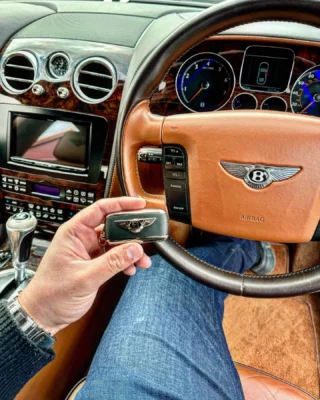
The Comprehensive Guide to Programming Car Keys
In the age of technology, car keys are no longer simple metal things designed to lock and open car doors. They have developed into sophisticated devices equipped with features that enhance security and user experience. Modern car keys, especially key fobs and clever keys, often require programming to guarantee they operate properly with their matching automobiles. This short article will explore the programming of car keys, the various kinds of keys readily available, and offer a detailed guide on how to program them, in addition to some FAQs for better understanding.
Kinds Of Car Keys
Comprehending the kind of car key is the initial step in finding out how to program them. Here are the common kinds of car keys:
1. Traditional Keys
- Description: Found in older vehicles, these keys are simple metal keys that mechanically run the ignition and locks.
- Programming: Generally, these do not need programming beyond cutting to the correct shape.
2. Transponder Keys
- Description: These keys have a little chip embedded inside that sends a signal to the car's ignition system.
- Programming: Requires programming to synchronize the key with the vehicle's computer system; this can in some cases be done in the house or may require a professional locksmith.
3. Key Fobs
- Description: Used for remote entry, these keys have buttons that enable locking, opening, and trunk release.
- Programming: Often programmable in your home, depending upon the vehicle brand name.
4. Smart Keys
- Description: These keys enable keyless entry and ignition, providing a hands-free experience.
- Programming: Typically needs dealer intervention or specialized tools.
The table listed below sums up these key types:
| Key Type | Description | Programming Method |
|---|---|---|
| Traditional Key | Metal key for ignition/locks | None (cut to shape) |
| Transponder Key | Key with ingrained chip | May need expert help |
| Key Fob | Remote entry key with buttons | Frequently programmable in your home |
| Smart Key | Keyless entry and ignition | Usually requires dealership intervention |
How to Program a Car Key
Programming your car key differs by type and vehicle model. Here's a general guide mainly focused on transponder keys and key fobs.
Step-by-Step Guide for Transponder Keys
- Obtain the New Key: Ensure you have the appropriate transponder key for your make and model.
- Enter the Vehicle: Sit in the motorist's seat and ensure all doors are closed.
- Place the Key: Insert the present working key into the ignition and turn it to the "On" position.
- Wait: Leave it in this position for roughly 10 minutes, until the security light turns off to suggest the programming mode.
- Get rid of the Key: Turn the key to the "Off" position and eliminate it.
- Place the New Key: Place the new transponder key into the ignition, turn it to "On" for about 10 minutes.
- Test the Key: Turn the ignition off and test to see if the brand-new key works.
Step-by-Step Guide for Key Fobs
- Prepare the Vehicle: Sit in the vehicle with the doors closed and all electrical systems off.
- Insert the Ignition Key: Insert the ignition key and turn it to "On" (do not start the engine) and back to "Off."
- Cycle the Key: Repeat the cycle of turning "On" and "Off" for a total of five times, ending in the "On" position.
- Press the Lock Button: Within 10 seconds, press the lock button on the brand-new key fob for about two seconds, then release.
- Finalize the Programming: Turn off the ignition. The new fob should now be set.
Keep in mind:
Always speak with the vehicle's handbook or an expert if unsure. Some cars have unique programming treatments.
Advantages and disadvantages of Programming Car Keys
Pros
- Increased Security: Programming an automobile key improves security, avoiding unauthorized access.
- Convenience: Key fobs and clever keys use ease of usage with remote entry.
- Affordable: Programming your own keys can save cash compared to dealer fees.
Cons
- Intricacy: Some programming requires understanding of electronic systems, making it hard for some owners.
- Tools Required: Certain keys might need specialized tools for programming.
- Potential Errors: Improper programming can result in malfunction, necessitating expert assistance.
Frequently Asked Question on Programming Car Keys
Q1: Can I program my car key without a professional?A1: Yes, numerous modern car keys
, especially transponder keys and key fobs, can be configured at home, provided you have the correct guidelines and tools. Q2: What should I do if my key programming does
not work?A2: Double-check the treatments in your vehicle's handbook or seek advice from a professional locksmith or dealer. Q3: How much does it cost to program a car key?A3: The expense varies by vehicle make and
design. Programming a key at a dealership can range from ₤ 50 to ₤ 300, while DIY approaches may cost significantly less. Q4: Are all car keys programmable?A4: No, not all keys can be set. For example, conventional keys do not require programming, while smart keys generally require professional assistance. Q5: How
do I understand if my key fob is faulty?A5: If the key fob doesn't respond when buttons are pressed and the battery is replaced, the fob might be malfunctioning or require reprogramming.
Programming car keys is a vital aspect
of vehicle ownership, enhancing both security and benefit. While Car Key Programming can seem difficult, comprehending the kinds of keys and the basic programming approaches can assist car owners manage their cars more successfully. By being informed and prepared, car owners can save money and time while enjoying the benefits of their high-tech auto accessories.